
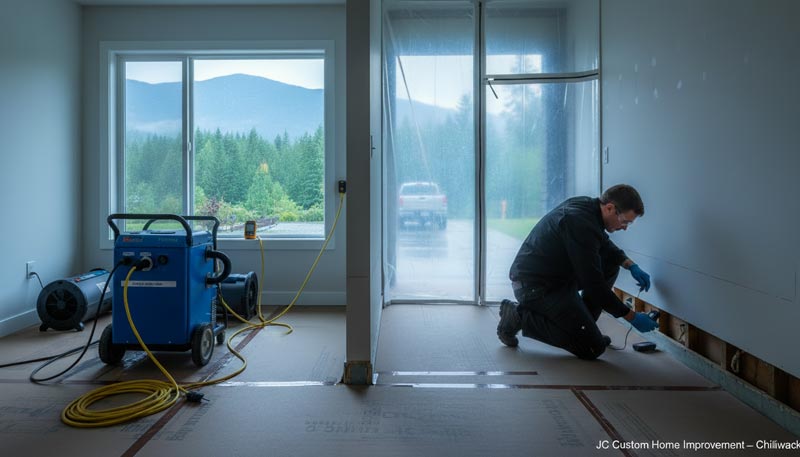
Chilliwack Restoration Company
Residential & Commercial
When water, mold, fire, or storm damage strikes in Chilliwack, time and precision matter. Our local team delivers fast emergency response, hidden-moisture detection with thermal imaging, and insurer-ready documentation—followed by high‑quality rebuilds that restore comfort and value. Below you’ll find a clear overview of what we do, how the process works, and practical tips you can use today.
What makes us different:
- Local Fraser Valley expertise: familiar with flood-prone zones like Fairfield Island, Yarrow, and riverside pockets.
- Building‑science approach: thermal imaging + moisture meters to find what the eye can’t.
- End‑to‑end service: one team from mitigation to full rebuild.
- Insurer‑ready reporting: moisture logs, annotated photos/thermograms, and clear scopes.
- 24/7 response: same‑day stabilization in most Chilliwack neighbourhoods.
Chilliwack Restoration Services


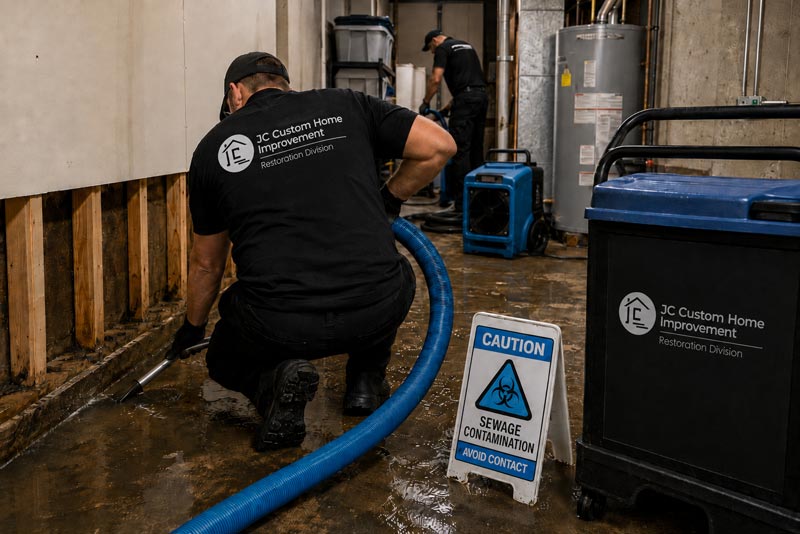

Restoration Services Overview
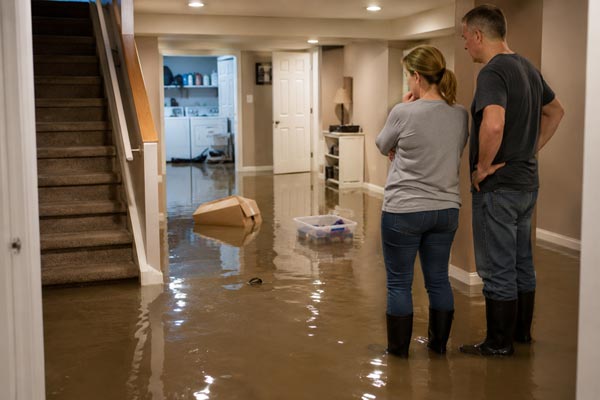
Water damage restoration
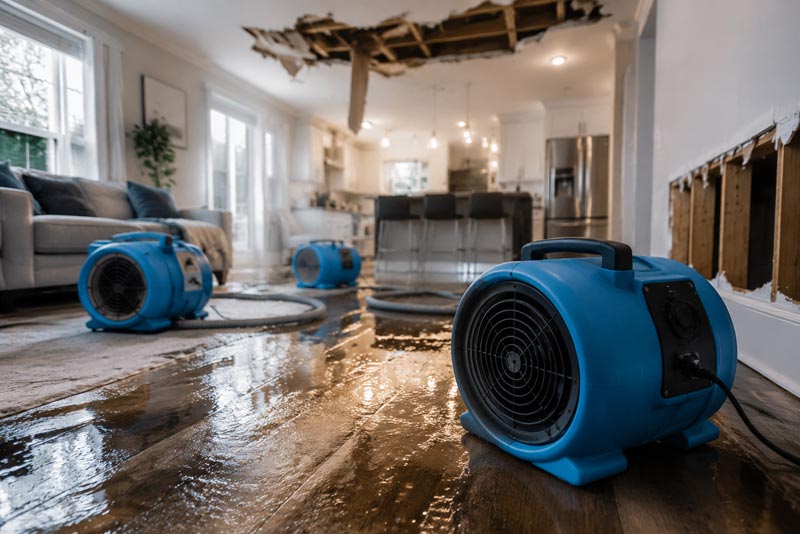
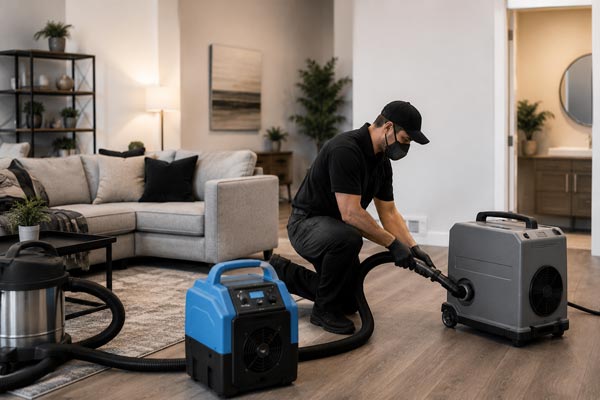
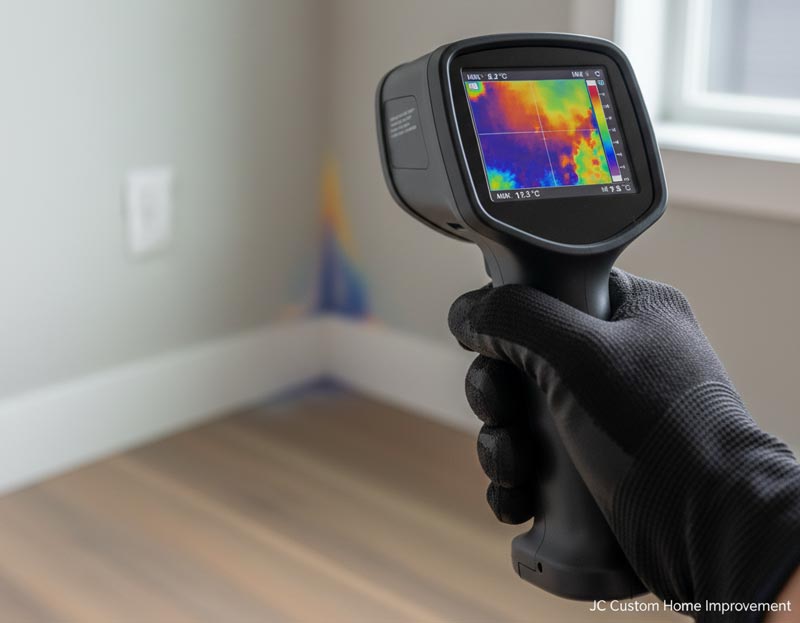
We move quickly to stop the source, extract water, and dry the structure to prevent mold and secondary damage. Thermal imaging helps us target only the truly wet areas—reducing unnecessary demolition and time out of your home.
Rapid extraction and stabilization
- Targeted removal of saturated drywall, insulation, trim, and flooring
- Commercial dehumidifiers, air movers, and daily moisture monitoring
- Crawlspace mitigation: pump‑outs, vapor barrier repairs, rim‑joist drying
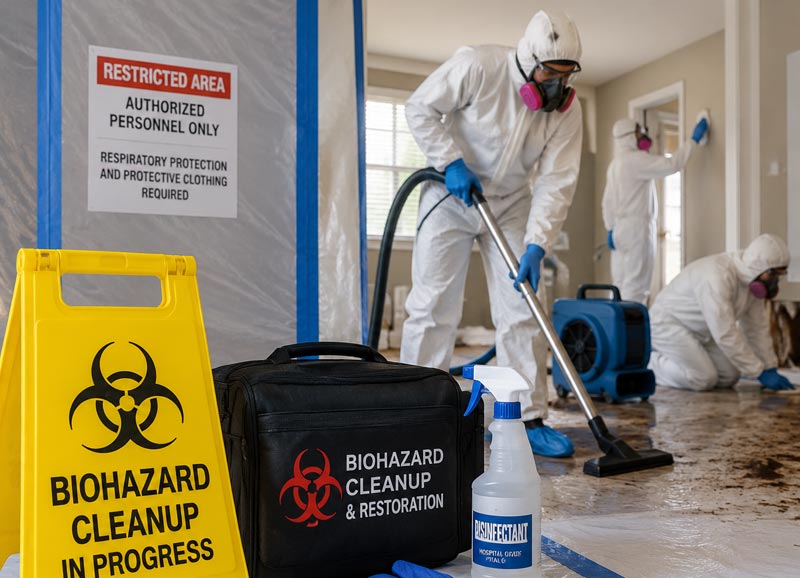
Sewer backup (Category 3) cleanup Category 3 events require strict health and safety protocols. We contain, remove contaminated materials, and sanitize to return the space to pre‑loss condition—safely.
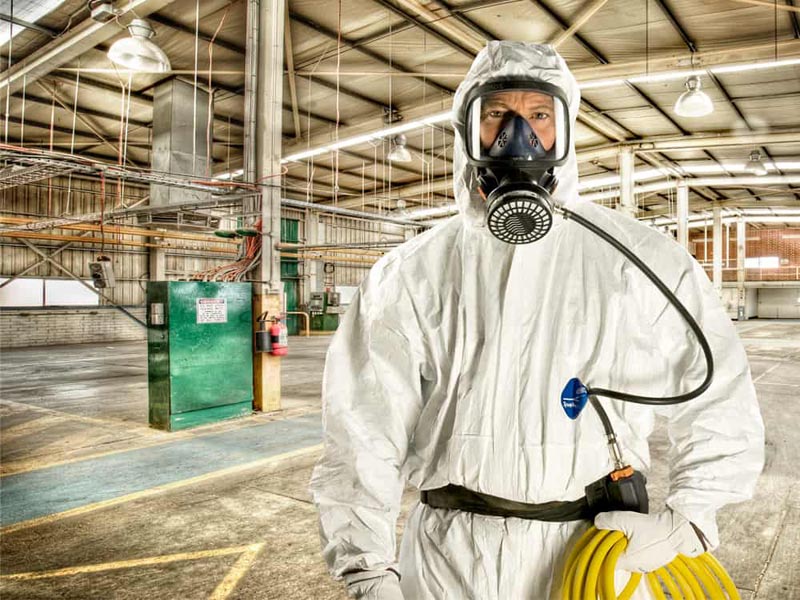
- Containment, negative air, and PPE
- Controlled demolition of affected porous materials
- Antimicrobial treatment and HEPA air scrubbing
- Clearance benchmarks documented for your insurer
Flood recovery (atmospheric rivers and freshet) Chilliwack’s location makes it vulnerable during heavy rain and spring snowmelt. We tailor drying plans to basements, crawlspaces, and slab‑on‑grade homes common across the area.
- Thermal moisture mapping to reveal hidden wet zones
- Pump support, sandbag strategies, and temporary protection
- Insurer coordination and detailed scopes for approvals
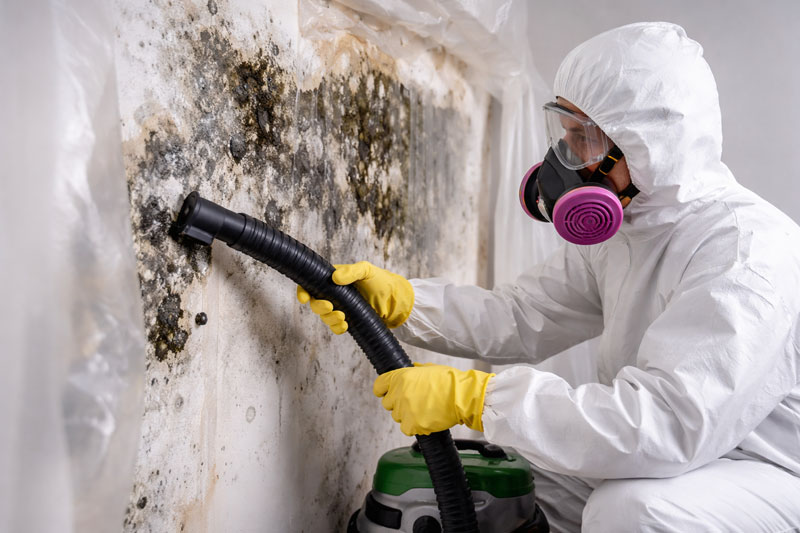
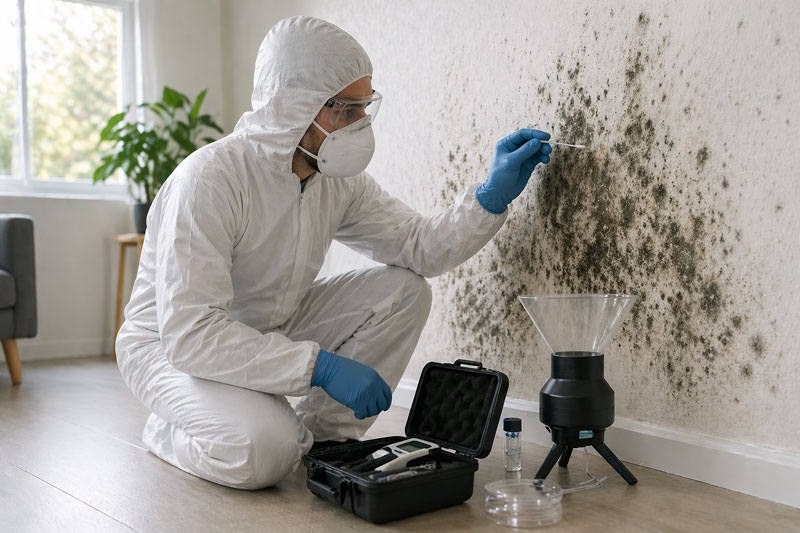
- Mold remediation We find the moisture source, contain growth, and restore indoor air quality with proven methods.
Source detection with IR and hygrometry
- Containment and negative air
- Selective demo, HEPA filtration, and antimicrobial cleaning
- Post‑remediation verification
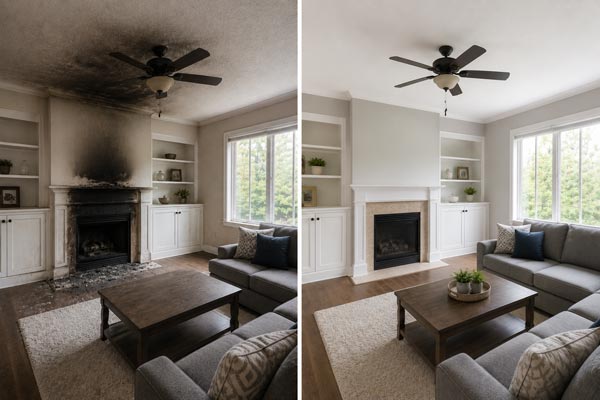
Fire and smoke damage restoration From emergency board‑ups to final finishes, we handle the details that return your space to safe, livable condition.
- Board‑up, roof tarping, debris removal
- Soot/smoke cleaning and odor control
- Contents handling and storage coordination
- Structural repairs and full rebuild
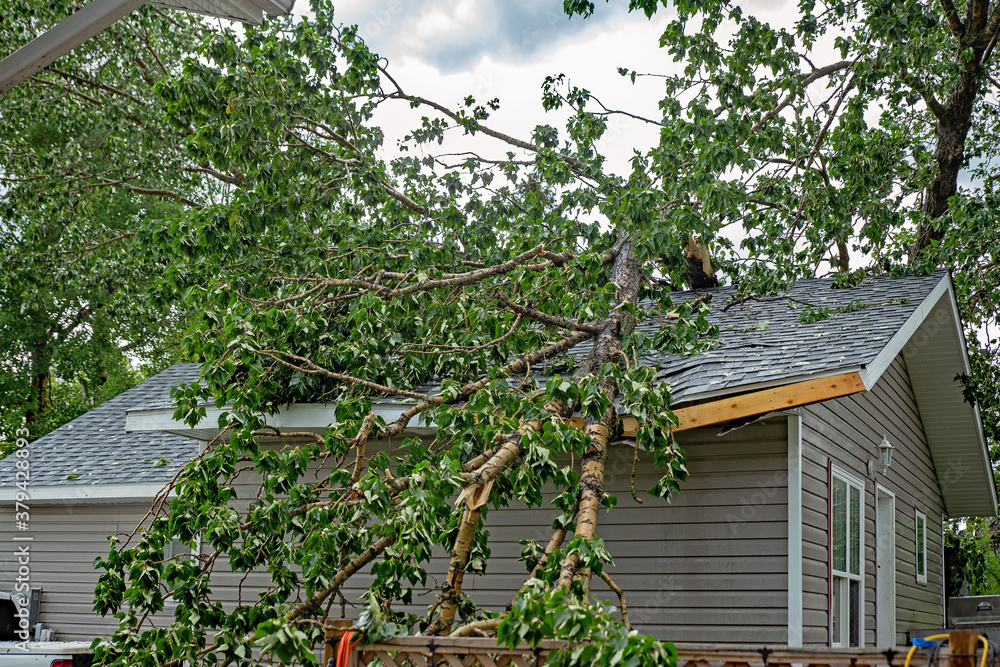
Storm and wind damage High winds drive rain into vulnerable assemblies and can compromise roofs and windows. We secure, dry, and repair swiftly.
- Emergency tarping and temporary glazing
- Interior drying for wind‑driven rain intrusions
- Envelope repairs and finishing work
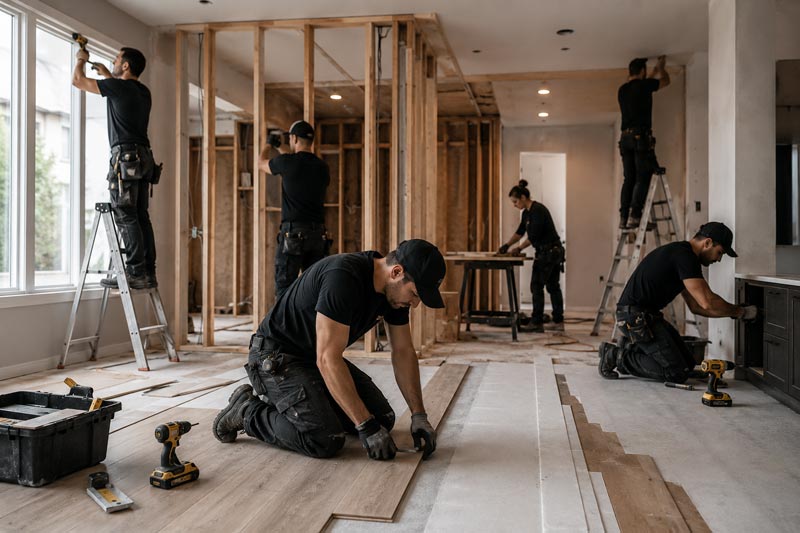
Rebuild and finish carpentry When mitigation is complete, our rebuild team restores your home with care and craftsmanship.
- Insulation, drywall, trim, paint, flooring, cabinetry
- Code upgrades and resilience improvements where appropriate
Our process: clear steps, predictable outcomes
Assessment and stabilization We begin with safety checks and a rapid thermal scan to map moisture. This defines the true scope so we can act decisively without guesswork.
- Electrical/structural safety review
- Infrared scan + moisture meter verification
- Immediate protection: extraction, containment, or tarping
Mitigation and drying Controlled demolition is performed only where readings confirm it’s needed. Equipment is set to dry assemblies evenly and quickly.
- Targeted material removal
- Commercial dehumidification and airflow
- Daily moisture logs and adjustments
Documentation and approvals You receive transparent updates, insurer‑ready records, and a detailed plan for rebuild.
- Photo sets, thermograms, moisture logs
- Line‑item scopes and timelines
- Direct coordination with adjusters
Rebuild and verification We complete structural and finish work, then re‑scan key areas to confirm conditions before close‑in.
- Structural/cosmetic repairs
- Final thermal/visual check
- Homeowner walkthrough
Why thermal imaging is essential in restoration Moisture often wicks behind baseboards, inside stud bays, and under flooring—staying invisible until mold or odors appear. Thermal imaging reveals those hidden paths so we can open only what’s necessary, dry faster, and provide evidence your insurer recognizes.
- Finds hidden moisture others miss
- Reduces unnecessary tear‑out
- Speeds drying and approvals
Serving Chilliwack Communities and Neighbourhoods
We are proud to serve all the communities and neighbourhoods of Chilliwack. Here are some of the regions of Chilliwack with many of the most common types of restoration service needs highlighted.
Sardis Sardis mixes newer construction with older homes on flatter terrain, so drainage and perimeter drain performance are key during heavy rain.
- Common risks: window well overflows, sump pump failures, basement seepage on slab-on-grade additions.
- What we prioritize: downspout extensions, catch-basin clearing, thermal scans at baseboards and exterior walls, sump/battery backup installs.
Promontory Steeper grades and hillside construction can channel runoff toward foundations and lower walkout levels.
- Common risks: slope-driven surface water, foundation wall seepage, deck ledger leaks, wind‑driven rain.
- What we prioritize: grading corrections and swales, crawlspace moisture control, flashing/door threshold checks, targeted exterior sealant.
Garrison Crossing Character homes and heritage-style builds often have mixed materials and complex envelopes.
- Common risks: aging perimeter drains, window/door infiltration at trim details, attic condensation turning to leaks during storms.
- What we prioritize: perimeter drain assessment, envelope sealing, attic ventilation checks, non-invasive moisture mapping behind detailed trim.
Fairfield Island Low-lying and near watercourses, with frequent ponding during atmospheric rivers and freshet.
- Common risks: overland flow, backflow at floor drains, prolonged soil saturation against foundations.
- What we prioritize: sandbagging plans, backwater valves, rapid extraction, controlled demo where water sits longest, crawlspace pump-downs and vapor barriers.
Rosedale Rural properties and acreages with outbuildings and wells need resilient drainage and utility protection.
- Common risks: ditch overflow, driveway culvert blockages, shop/outbuilding leaks, frozen/burst supply lines in shoulder seasons.
- What we prioritize: ditch/culvert clearing, grading to protect foundations and slabs, thermal scans in unheated areas, utility insulation and elevation.
Yarrow Agricultural edge conditions and high water tables can keep soils saturated after storms.
- Common risks: seepage into basements and crawlspaces, barn/outbuilding water ingress, mold growth in low-ventilation spaces.
- What we prioritize: French drains, sump redundancy, crawlspace dehumidification, antimicrobial treatments, ventilation upgrades.
Greendale Flat farmland with seasonal flooding tendencies and long drying times.
- Common risks: overland flow, slab wicking, long-term humidity leading to mold in wall cavities.
- What we prioritize: slab moisture testing, extended dehumidification, selective wall opening, flood-tolerant material recommendations for rebuild.
Vedder Crossing Mixed-age housing near the river corridor, with stormwater systems that can surcharge in peak events.
- Common risks: catch-basin backups, perimeter drain failure, garage-to-interior water migration.
- What we prioritize: catch-basin maintenance plans, perimeter drain camera inspections, door threshold/garage seal upgrades, targeted baseboard removal and wall drying.
Eastern Hillsides Newer builds on slopes with complex drainage and retaining systems.
- Common risks: hillside runoff concentrating at foundations, undersized or clogged drains, window/door exposure to high winds.
- What we prioritize: site drainage audits, retaining wall weep function, robust exterior sealant/flashings, top‑down thermal scans after wind‑driven rain.
Cultus Lake area High recreational use, elevated humidity, and lake-effect moisture challenge interiors and crawlspaces.
- Common risks: high ambient RH, window condensation leading to sill/trim decay, seasonal flooding near shorelines.
- What we prioritize: humidity control (dehumidifiers/HRVs), envelope sealing, crawlspace encapsulation, flood-tolerant finishes for cabins and vacation homes.
Chilliwack Proper (Downtown/Older Areas) Older perimeter drains and heritage assemblies demand careful, minimally invasive diagnostics.
- Common risks: clay drain tile collapse, capillary rise through older foundations, lead-painted surfaces complicating demolition.
- What we prioritize: non-invasive thermal mapping first, selective demo with containment, safe material handling, drain tile upgrades and interior drainage options.
Ryder Lake Rural hillside properties with wells, septic, and limited drainage infrastructure.
- Common risks: driveway washouts, culvert failures, basement seepage from upslope groundwater.
- What we prioritize: culvert sizing/clearing, swales and berms upslope, sump and interior perimeter drainage, moisture monitoring through wet seasons.
Yale Road Corridor (Commercial/Light Industrial) Mixed-use buildings with flat roofs and complex mechanicals.
- Common risks: roof membrane leaks, HVAC condensate overflow, slab moisture affecting finishes.
- What we prioritize: roof leak detection, condensate line inspections, slab RH testing, after-hours mitigation to minimize business interruption.
Agassiz and Harrison (by appointment) Tourism and lakeside exposures raise humidity and wind-driven rain risks.
- Common risks: shore-proximity flooding, deck and siding penetration leaks, crawlspace moisture.
- What we prioritize: exterior envelope audits, crawlspace drying/encapsulation, flood-tolerant materials, rapid turnarounds between guest stays.
Chilliwack IICRC Certified Restoration Services
We are a Chilliwack IICRC certified restoration company. This ensures that when disaster strikes—whether it’s water damage, fire, mold, or other property loss that choosing the right restoration company is critical. One of the most important credentials to look for is IICRC certification. Here’s why:
1. Industry-Recognized Standards
The Institute of Inspection, Cleaning and Restoration Certification (IICRC) is the globally recognized organization that sets the standards for the restoration industry. An IICRC-certified company follows proven protocols and industry best practices to ensure safe, effective, and professional restoration.
2. Trained & Qualified Technicians
IICRC certification means that technicians have undergone rigorous training in areas like water damage restoration, fire & smoke remediation, mold remediation, and more. This ensures your property is handled by professionals who understand how to properly assess, mitigate, and restore damage.
3. High Level of Professionalism
Certified companies must adhere to a strict code of ethics, focusing on honesty, integrity, and customer satisfaction. This guarantees you receive transparent communication, fair estimates, and quality workmanship.
4. Up-to-Date Knowledge & Techniques
The restoration industry evolves with new technologies, equipment, and procedures. IICRC-certified firms stay current with ongoing education, ensuring they use the latest methods to restore your home or business quickly and safely.
5. Better Insurance Collaboration
Insurance companies often prefer or even require restoration contractors to be IICRC-certified. This helps streamline claims, ensures proper documentation, and gives insurers confidence that the work meets industry standards.
6. Peace of Mind
Choosing a certified restoration company gives you peace of mind knowing your property is in the hands of trusted, knowledgeable professionals who are committed to restoring your home or business to its pre-loss condition.
Free Chilliwack Restoration Inspections & Quotes
If you require restoration services in Chilliwack BC we will provide the highest level of customer service and expert advice from the very first conversation.
We offer free inspections, consultations and detailed estimates for all of our restoration services with no obligation.
During the estimate process, we take the time to complete a total evaluation of the entire scope of work so we can discuss all possible options, materials and timelines. Our goal is to provide a transparent quote that outlines the project clearly so you know exactly what to expect before any work begins.
