As one of Vancouver’s top restoration service companies we see a lot of property damage caused by flooding. We would like to share our experiences with you so you can better protect your home and property from flooding.
Metro Vancouver homeowners face several unique flooding risks throughout the year, including heavy rainfall, atmospheric rivers, overflowing gutters, sewer backups, rising groundwater, coastal flooding, and aging drainage infrastructure. Areas throughout Vancouver, Richmond, Delta, Surrey, Burnaby, and the Tri-Cities can experience significant water intrusion during major storms, especially in low-lying neighbourhoods or homes with older drainage systems. Preventative maintenance and early upgrades are the most effective ways to reduce flood damage and avoid expensive restoration repairs.
Maintain Gutters and Downspouts
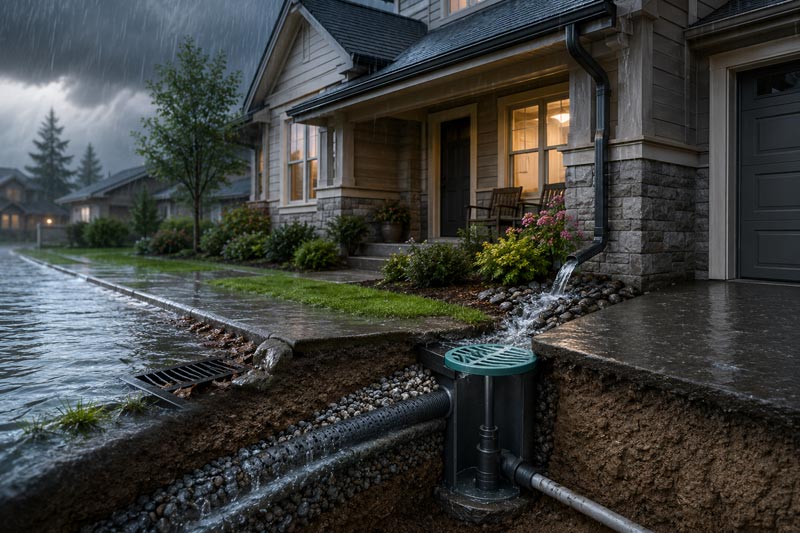
One of the most important flood prevention steps is keeping gutters and downspouts clear of leaves, moss, and debris. Metro Vancouver’s wet climate causes clogged gutters to overflow quickly during heavy rainstorms, allowing water to pool around foundations and leak into basements or crawl spaces. Gutters should be cleaned multiple times per year, particularly during fall and winter storm seasons. Downspouts should direct water several feet away from the home to prevent soil saturation near the foundation.
Inspect and Repair Your Roof
Roof leaks are a common source of water damage during Vancouver’s rainy months. Missing shingles, cracked flashing, blocked roof drains, and aging roofing materials allow water to penetrate attic spaces and walls over time. Regular roof inspections help identify weak areas before storms arrive. Homes surrounded by large trees should also have branches trimmed back to reduce debris buildup and storm-related roof damage.
Install Proper Drainage Around the Foundation
Poor drainage is one of the leading causes of basement flooding in Metro Vancouver homes. The soil around the home should slope away from the foundation so rainwater naturally drains outward rather than pooling against basement walls. Homeowners should inspect for standing water after storms and address low spots in landscaping. In many older neighbourhoods, upgrading perimeter drains is one of the most effective long-term flood prevention investments.
Upgrade Old Perimeter Drain Systems
Many older homes in Vancouver, Burnaby, New Westminster, and Richmond still rely on aging clay or deteriorated perimeter drain systems that become clogged or collapsed over time. Failed perimeter drains allow groundwater to build up around foundations and enter basements or crawl spaces. Modern drain tile systems combined with proper waterproof membranes and sump systems greatly improve water management around the property.
Install a Sump Pump and Backup System
Sump pumps help remove groundwater before it enters the home. Homes with basements or crawl spaces in low-lying areas benefit significantly from professionally installed sump pump systems. Because severe storms can cause power outages, battery backup systems are highly recommended to keep pumps operational during emergencies.
Prevent Sewer Backups
Heavy rainfall can overload municipal sewer systems throughout Metro Vancouver, causing sewage to back up into homes through basement drains, toilets, and sinks. Installing a backwater valve helps prevent contaminated water from reversing into the property. Homeowners should also avoid pouring grease, wipes, or debris into drains, as blockages increase the risk of backups during storms.
Seal Foundation Cracks and Entry Points
Small cracks in foundation walls, around utility penetrations, windows, and crawl space openings can allow water intrusion during extended rainfall events. Waterproof sealants and professional crack repairs help reduce leakage risks. Window wells should also have proper drainage systems and covers to prevent water accumulation during storms.
Maintain Crawl Spaces and Basements
Many Metro Vancouver homes have crawl spaces that experience high humidity levels due to the region’s damp climate. Poor ventilation and moisture buildup can lead to mould growth, wood rot, and hidden water damage. Installing vapour barriers, improving ventilation, and using dehumidifiers help maintain dry conditions and reduce long-term structural damage risks.
Protect Against Coastal and River Flooding
Communities near the Fraser River, Burrard Inlet, and coastal shorelines — especially areas of Richmond, Delta, and parts of Surrey — face elevated flood risks because of high tides, storm surges, and rising water levels. Homeowners in these areas should stay informed about municipal flood protection initiatives and emergency preparedness plans. Elevating critical mechanical systems such as furnaces, hot water tanks, and electrical panels can help reduce damage if flooding occurs.
Test and Maintain Storm Drains
Exterior storm drains, catch basins, and driveway drains should remain free of leaves, dirt, and debris year-round. Blocked drainage systems can cause rapid water accumulation around homes during intense rain events. Regular maintenance is particularly important during autumn when falling leaves can quickly clog drainage pathways.
Use Smart Landscaping Solutions
Strategic landscaping can significantly improve water management on residential properties. Permeable surfaces, retaining walls, French drains, rain gardens, and gravel drainage areas help absorb and redirect water naturally. Avoid excessive concrete surfaces that force water toward the home instead of allowing natural drainage.
Monitor Weather Alerts and Prepare for Storms
Metro Vancouver increasingly experiences severe weather systems and atmospheric rivers capable of producing large volumes of rainfall in short periods. Homeowners should monitor local weather warnings and prepare emergency flood response plans before major storms arrive. Keeping emergency supplies, sandbags, and backup power sources available can reduce damage during extreme weather events.
Schedule Preventative Inspections
Routine inspections by restoration professionals, drainage contractors, roofers, and plumbers help identify hidden vulnerabilities before they become emergencies. Early detection of moisture problems, plumbing leaks, foundation movement, or deteriorating drainage systems can prevent catastrophic flooding and significantly reduce restoration costs over time.
More Preventative Flooding Resources
We have also included here more information from trusted local sources about flood prevention. The city of Richmond’s Flood Prevention and the BC government’s flood preparedness guidelines offer lots of valuable content.