Here’s a practical, insurer-friendly process tailored for property damage claims in Burnaby, BC. It reflects how most Canadian home policies (personal lines) and strata claims are handled and what adjusters typically expect.
Immediate actions (Day 0)
Ensure safety first: If there’s electrical risk, gas smell, structural instability, or contaminated water, keep people out and call the appropriate utility/emergency services.
- Stop further damage: Shut off water if a supply line burst; tarp or board up openings; place buckets/pans; move valuables from wet areas.
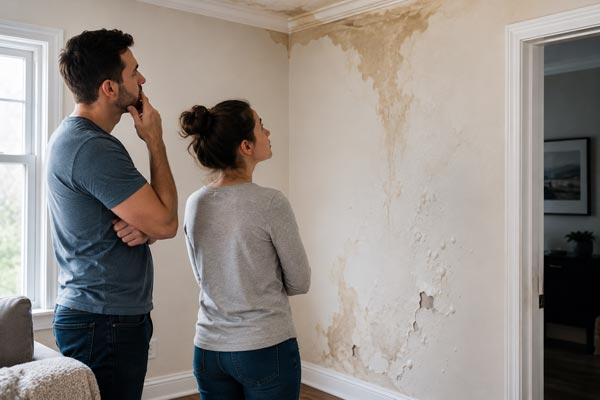
- Document everything: Take wide and close-up photos/videos of each room, exterior, and the source area. Capture water lines on walls, damaged contents, and serial numbers where possible.
- Open the claim (as soon as you’re stable)
Locate your policy number and call your insurer’s claims line (on your pink card, policy docs, or insurer app). Note the claim number and the name/phone of the assigned adjuster.
- Provide a concise incident summary: what happened, when, where, visible damage, steps taken to prevent further loss, and whether the property is livable.
- Ask about coverage specifics up front: deductible, water loss type (overland flood vs. sewer backup vs. sudden escape of water), limits/sub-limits (e.g., sewer backup, jewelry, special items), and ALE (Additional Living Expense) if you need temporary housing.
Mitigation and emergency services (first 24–72 hours)
Hire an IICRC-certified restoration contractor for emergency mitigation. Insurers expect immediate action to limit damage; waiting can jeopardize coverage.
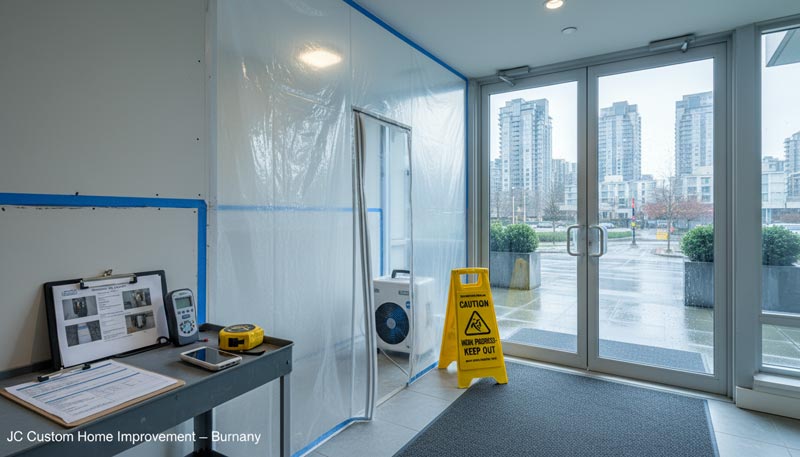
- Typical tasks: water extraction, controlled demolition of unsalvageable materials, dehumidification, temporary board-up/tarping, site safety.
- Keep all invoices/receipts for emergency work and supplies (fans, dehumidifiers, tarps, hotel stays). These support reimbursement under your policy’s sections (mitigation, ALE).
- Adjuster engagement and inspection
Your insurer may send an adjuster for an on-site inspection or handle virtually (photos/video). Provide:
- Incident timeline and cause (if known).
- Photo/video set, moisture readings (if available), and an initial contractor report.
- Preliminary contents list (damaged items with age, brand/model, and rough replacement cost).
- Ask if the insurer prefers a “preferred vendor.” If you’ve already engaged a contractor, advise the adjuster and request alignment on scope.
Scope of work and approvals
Your contractor will prepare a mitigation report and a rebuild estimate (often in Xactimate or similar).
Expect:
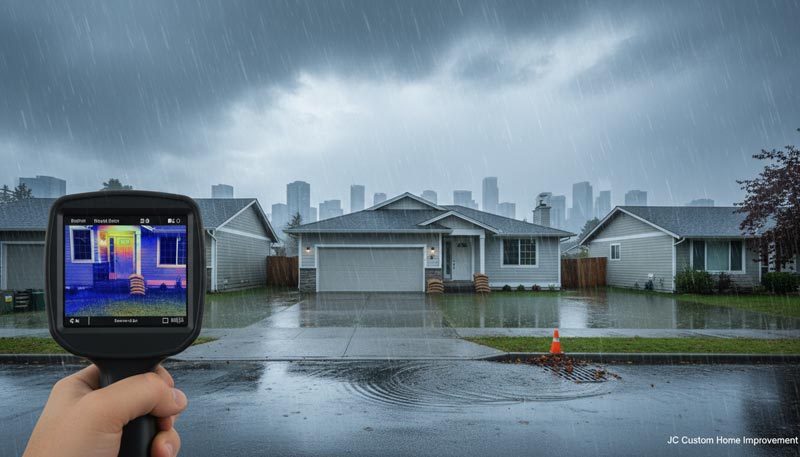
- Moisture logs, thermal images, and a floorplan showing affected areas.
- Line-item estimate for demolition, drying equipment days, cleaning, and rebuild.
The adjuster reviews for coverage/price reasonableness. Respond quickly to any questions to avoid delays.
Once approved, you’ll receive confirmation of covered scope and deductible application. Clarify what’s not covered (e.g., fixing the failed source vs. resulting damage).
Contents (personal property) handling
- Create a contents inventory of all damaged items: Item, brand/model, age/purchase date (estimate if needed), condition, and replacement value.
- Attach photos and any receipts. Many insurers provide spreadsheet templates or app portals.
- For soft contents affected by Category 3 (sewage) or heavy smoke, ask about professional contents cleaning vs. replacement. Follow insurer guidance.
Additional Living Expense (ALE), if applicable
If the home is partially or fully uninhabitable, ask your adjuster to confirm ALE eligibility:
- Hotel, short-term rental, meals (incremental costs), laundry, pet boarding, storage, and extra commuting can be reimbursable within limits.
- Keep all receipts and track dates. ALE is time/limit-bound—confirm caps early.
Repairs and rebuild
After dry standards are met (documented by readings), the rebuild begins:
- Insulation, drywall, trim, paint, flooring, cabinetry, and finishes.
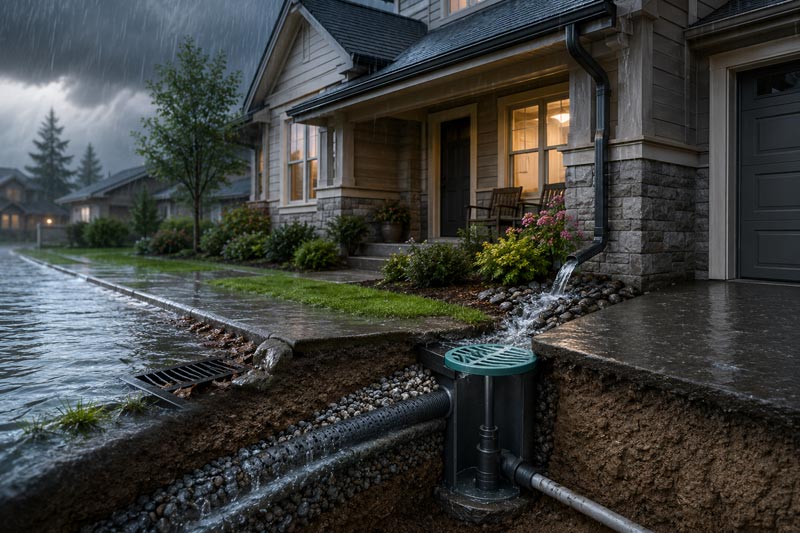
- Consider resilience upgrades (e.g., backwater valve, moisture-resistant materials). Upgrades beyond like-for-like may be out-of-pocket unless your policy has endorsements or you negotiate a cost share.
- Change orders: If hidden damage emerges, your contractor submits a supplemental estimate to the adjuster for approval.
Payments and settlement
Common flow in BC home claims:
- Emergency mitigation is often paid directly by the insurer to the contractor, with your deductible applied to the first payable portion.
- Rebuild may be paid in milestones (progress draws) or upon completion. Contents are often paid to you directly.
Review your settlement letter for:
- Actual Cash Value (ACV) vs. Replacement Cost (RC). Some policies pay ACV first and hold back depreciation until you provide proof of repair/replacement (recoverable depreciation).
- Deductible amount and any sub-limits used (e.g., sewer backup).
Strata (condo/townhome) specifics in Burnaby
- Report to both your unit insurer and the strata corporation/property manager.
- Determine responsibility: building elements vs. unit improvements vs. contents. The strata may have a high building-deductible bylaw (often $25k–$250k for water damage).
- If a “chargeback” applies (negligence or bylaw provisions), clarify who pays which deductible(s). Get this in writing.
- Coordinate access and containment in common areas and neighbouring units as needed.
Burnaby Permits and local considerations
For structural repairs or large rebuilds, your contractor may need permits from the City of Burnaby. Ask early to avoid delays. If asbestos/lead is suspected in older buildings, a hazardous materials survey is required before demolition. Your restoration contractor should arrange testing and safe abatement per WorkSafeBC.
What to avoid:
- Don’t discard damaged items before documenting (photos + list) unless there’s a health hazard. If disposal is necessary, photograph with measurements and brands first.
- Don’t delay mitigation awaiting adjuster arrival—most policies require you to prevent further loss right away.
- Don’t authorize major upgrades assuming insurance will pay—confirm coverage first.