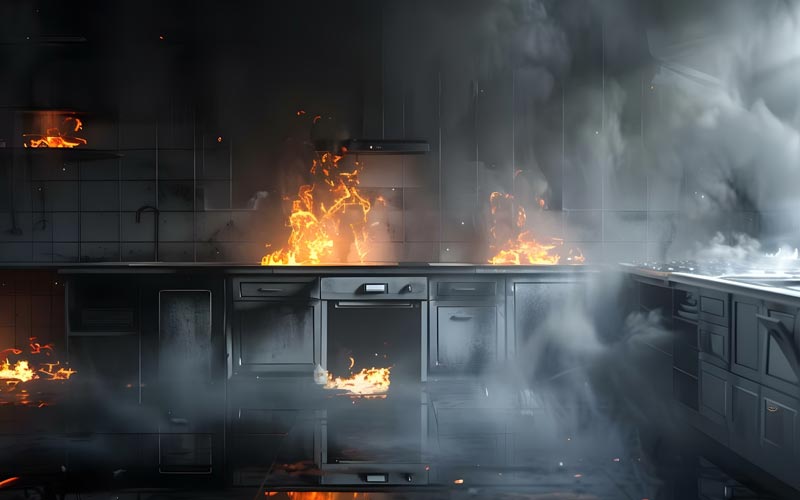
House fires can happen in seconds, but the damage they leave behind can last for months or even years. Every year, residential fires across Metro Vancouver and the Fraser Valley cause devastating structural damage, smoke contamination, water damage from firefighting efforts, and major financial losses for homeowners. Fortunately, many house fires are preventable with the right combination of maintenance, preparation, and modern safety upgrades.
Whether you own a heritage home, a modern townhouse, a family home or townhouse, proactive fire prevention is one of the most important investments you can make to protect your property, your belongings, and your family.
As experts in the field of fire restoration services we have seen first hand the devastating effects of house fires. We want to share our experience with you for the top tips to prevent fires in your home.
Install and Maintain Smoke Alarms
Smoke alarms remain the single most effective tool for saving lives during a house fire. Every level of your home should have working smoke detectors installed, including:
- Bedrooms
- Hallways
- Basements
- Garages
- Utility rooms
Test smoke alarms monthly and replace batteries at least once per year. Many newer alarms now include interconnected systems, meaning if one detector activates, every alarm in the home sounds simultaneously — providing earlier warning throughout the house.
Homes with older or expired smoke detectors may not provide reliable protection. Most alarms should be replaced every 10 years.
Upgrade Old Electrical Systems
Many residential fires begin due to outdated or overloaded electrical systems. Older homes throughout Vancouver, Burnaby, New Westminster, and Fort Langley may still contain aging wiring, aluminum wiring, overloaded breaker panels, or improperly completed renovations that increase fire risks.
Signs your home may need an electrical upgrade include:
- Flickering lights
- Frequently tripped breakers
- Warm outlets or switches
- Burning smells near outlets
- Extension cord overuse
- Two-prong outlets
- Outdated fuse panels
Having a licensed electrician inspect your electrical system can identify hazards before they become serious fire risks.
Clean Dryer Vents Regularly
Lint buildup inside dryer vents is one of the leading causes of preventable residential fires. Many homeowners clean the lint trap but neglect the venting system hidden behind the dryer or inside walls.
Dryer vent maintenance should include:
- Cleaning lint traps after every load
- Professional vent cleaning annually
- Checking for crushed or blocked vent lines
- Ensuring proper exterior ventilation airflow
If your clothes take longer than usual to dry or the dryer feels unusually hot, your vent system may already be partially blocked.
Maintain Heating Systems and Fireplaces
During colder months in British Columbia, fireplaces, furnaces, and portable heaters create elevated fire risks if not properly maintained.
Important fireplace and heating safety practices include:
- Annual chimney inspections and cleaning
- Removing creosote buildup from wood-burning fireplaces
- Keeping combustible materials away from heaters
- Servicing furnaces annually
- Using proper fireplace screens
- Never leaving portable heaters unattended
Gas fireplaces and furnaces should also be professionally inspected to ensure proper ventilation and safe operation.
Use Fire-Resistant Building Materials
Modern renovation projects increasingly incorporate fire-resistant materials that help slow the spread of flames and reduce structural damage.
Popular fire-resistant upgrades include:
- Fiber cement siding
- Fire-rated drywall assemblies
- Metal roofing systems
- Tempered glass windows
- Fire-resistant insulation
- Treated decking materials
These upgrades are especially valuable for homes near forested areas, greenbelts, or rural properties where wildfire exposure may become a concern.
Create Defensible Space Around Your Home
Wildfire risks continue increasing throughout British Columbia, including areas surrounding Langley, Abbotsford, Mission, and Maple Ridge. Creating defensible space around your property can significantly reduce the likelihood of exterior ignition.
Defensible space strategies include:
- Removing dead vegetation
- Trimming tree branches away from roofs
- Cleaning gutters regularly
- Storing firewood away from structures
- Installing non-combustible landscaping near the home
- Maintaining proper lawn irrigation
Even urban and suburban properties benefit from improved exterior fire prevention practices.
Practice Safe Kitchen Habits
Kitchen fires are among the most common residential fire emergencies. Cooking-related fires often start from unattended stovetops, grease buildup, or overheated appliances.
Important kitchen fire prevention tips include:
- Never leaving cooking unattended
- Keeping flammable items away from burners
- Cleaning grease buildup regularly
- Using timers while cooking
- Keeping a fire extinguisher nearby
- Avoiding overloaded kitchen outlets
Grease fires should never be extinguished with water. Instead, turn off the heat source and smother flames with a lid or fire blanket if safe to do so.
Install Fire Extinguishers Throughout the Home
Every home should contain accessible fire extinguishers in key locations such as:
- Kitchens
- Garages
- Workshops
- Utility rooms
- Basements
Homeowners should understand the PASS method:
- Pull the pin
- Aim at the base of the fire
- Squeeze the handle
- Sweep side to side
Small fires can sometimes be controlled early if proper extinguishers are immediately available.
Protect Your Home During Renovation Projects
Construction and renovation work can temporarily increase fire risks due to exposed wiring, hot tools, dust accumulation, and open framing.
Professional contractors should always follow proper fire prevention protocols including:
- Safe electrical procedures
- Proper ventilation
- Daily debris cleanup
- Fire extinguisher access
- Safe storage of flammable materials
Older homes undergoing renovation may also contain hidden hazards such as outdated wiring or improperly modified systems from previous renovations.
Prepare a Family Fire Escape Plan
Even the best prevention methods cannot eliminate all risks. Every household should have a fire escape plan that includes:
- Two exits from every room
- A designated outdoor meeting area
- Emergency contact information
- Practice fire drills
- Escape ladder plans for upper floors
Fast evacuation saves lives. Families should practice their plan regularly so everyone understands what to do during an emergency. The city of Vancouver has a helpful guide on how to prepare a fire safety evacuation plan.